Hello everyone, souls who always yearn for movement and seek profound perspectives on life. There are phases when time seems to slow down, when the world suddenly shrinks after the immense changes brought by the Covid pandemic.
Remote work, strict social distancing rules, and a confined lifestyle made us feel suffocated more than once, desperately needing a breathing space to recharge our energy and let go of daily worries.
More than a year since the day the 10KBrSE B18 cohort each went their separate ways, carrying new ambitions and challenges on Japanese soil, my heart began urging for a reunion.
I decided to pack my backpack and head to Osaka, to seek out old friends who shared the sweet and bitter moments with me through the years.
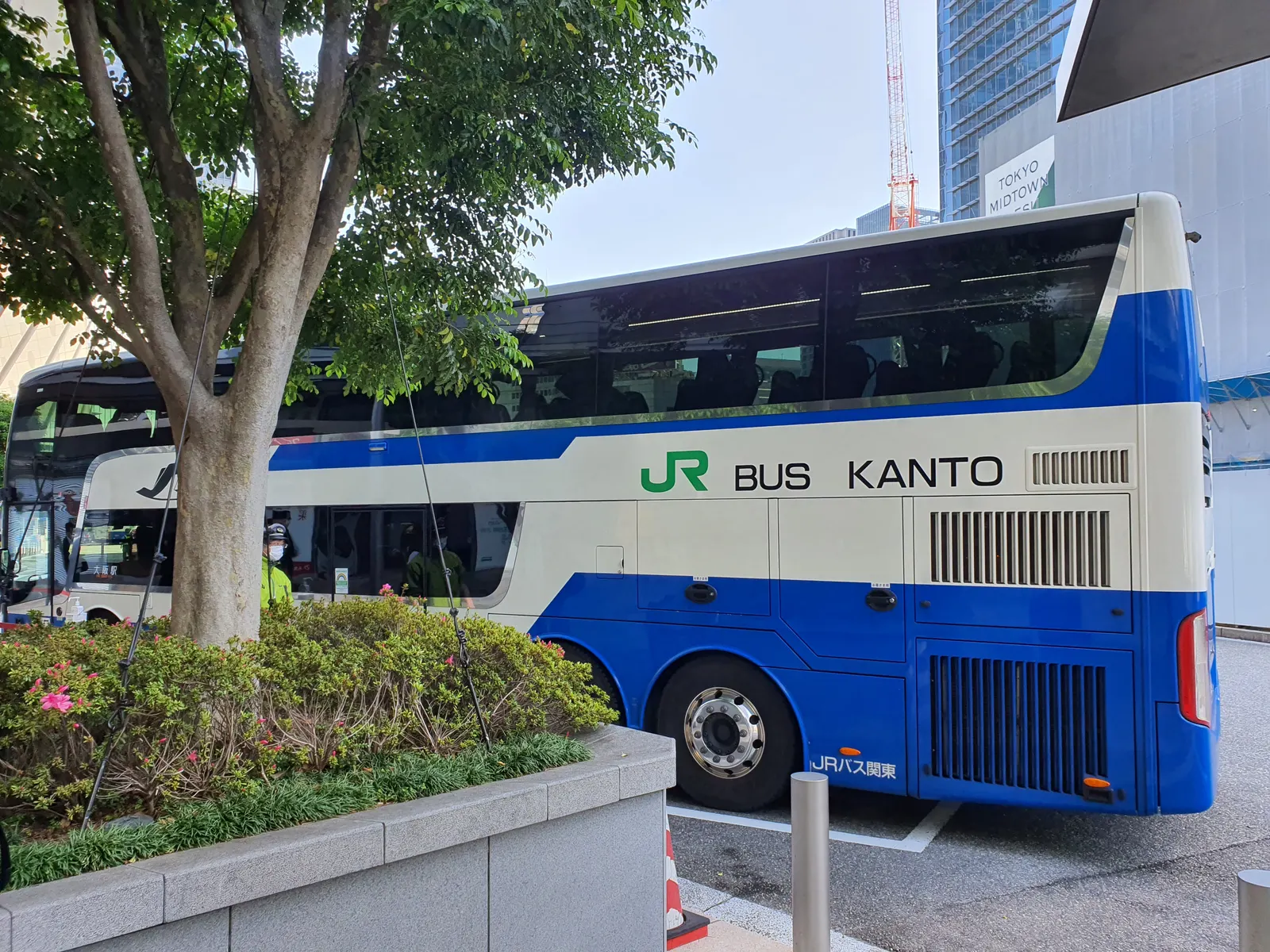
Choosing the means of transport for this first long-distance trip in the land of the cherry blossoms required a lot of deliberation. Amidst a myriad of options, I decided to go with the daytime bus.
This decision stemmed from two very practical reasons: partly because I was craving the chance to fully watch the scenery of Japan change through every windowpane, and partly due to the tight financial constraints of a young person working far from home.
A daytime bus ticket cost only around 3,500 yen, while the night bus hovered around 8,500 yen, and choosing the Shinkansen would run up to about 1.3 man—not a small amount by any means.
Most long-distance bus lines in Japan are standard seating buses, with night buses featuring deep recline functions to rest, rather than sleeper designs or cozy cabin boxes like Vietnam’s sleeper buses.
However, the first impression that struck me was the surprising cleanliness, an unmistakable hallmark of the culture of the Land of the Rising Sun.
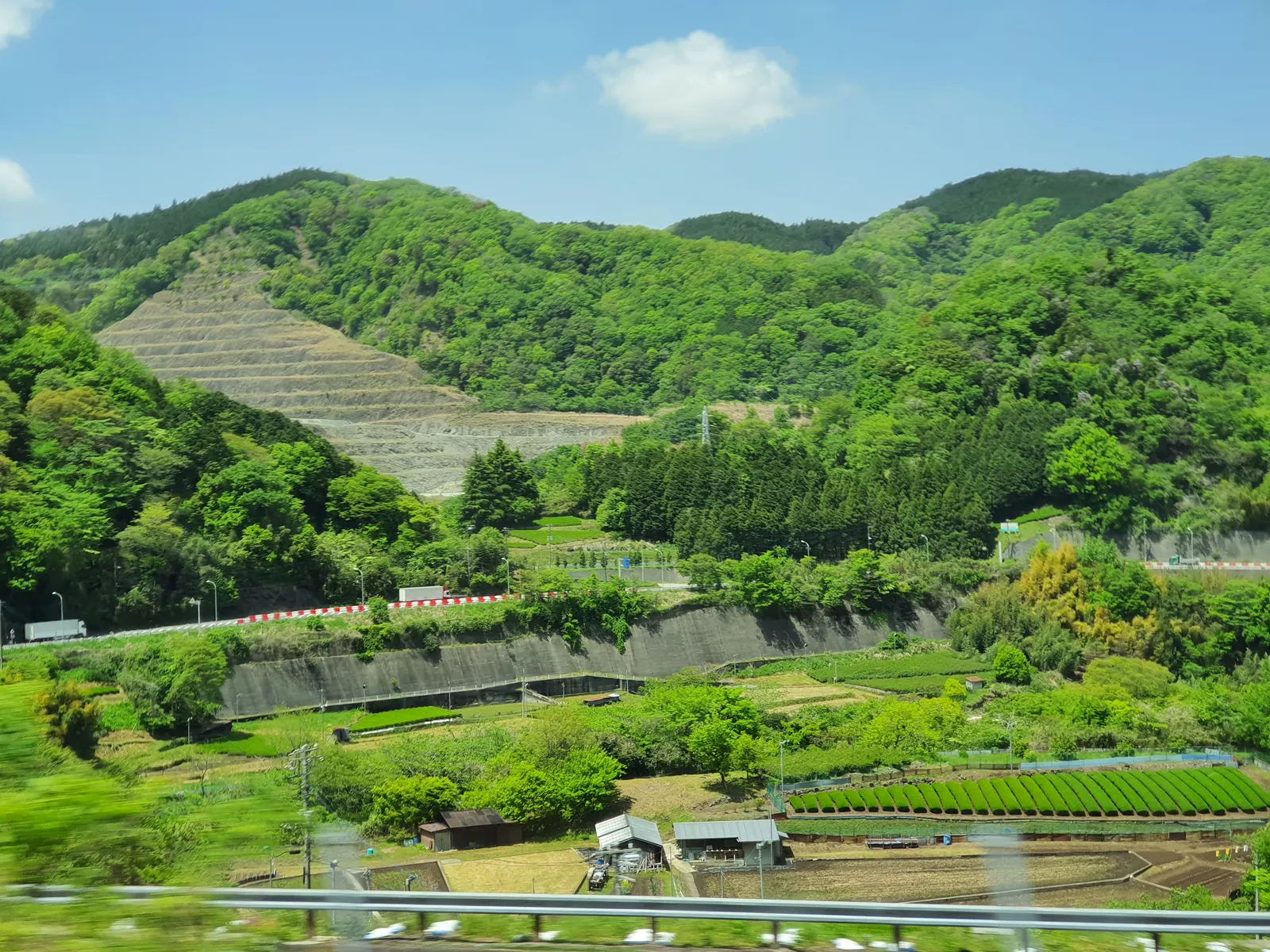
As the bus rolled away from the starting point, the roadside scenery appeared breathtakingly beautiful. The feeling of casting my gaze far into the distance, filling my lungs with an atmosphere of freedom after a long period of confinement, was truly hard to put into words.
The bus that day was quite empty, with sparsely fewer than ten passengers on board, coupled with strict pandemic distancing rules that left only a single passenger per row of seats.
That private space added even more tranquility and contemplation to the trip. Streams of brilliant golden sunlight shone down, making the roadside scenery burst with light, becoming deeply poetic and vivid like a slow-motion cinematic film passing before my eyes.
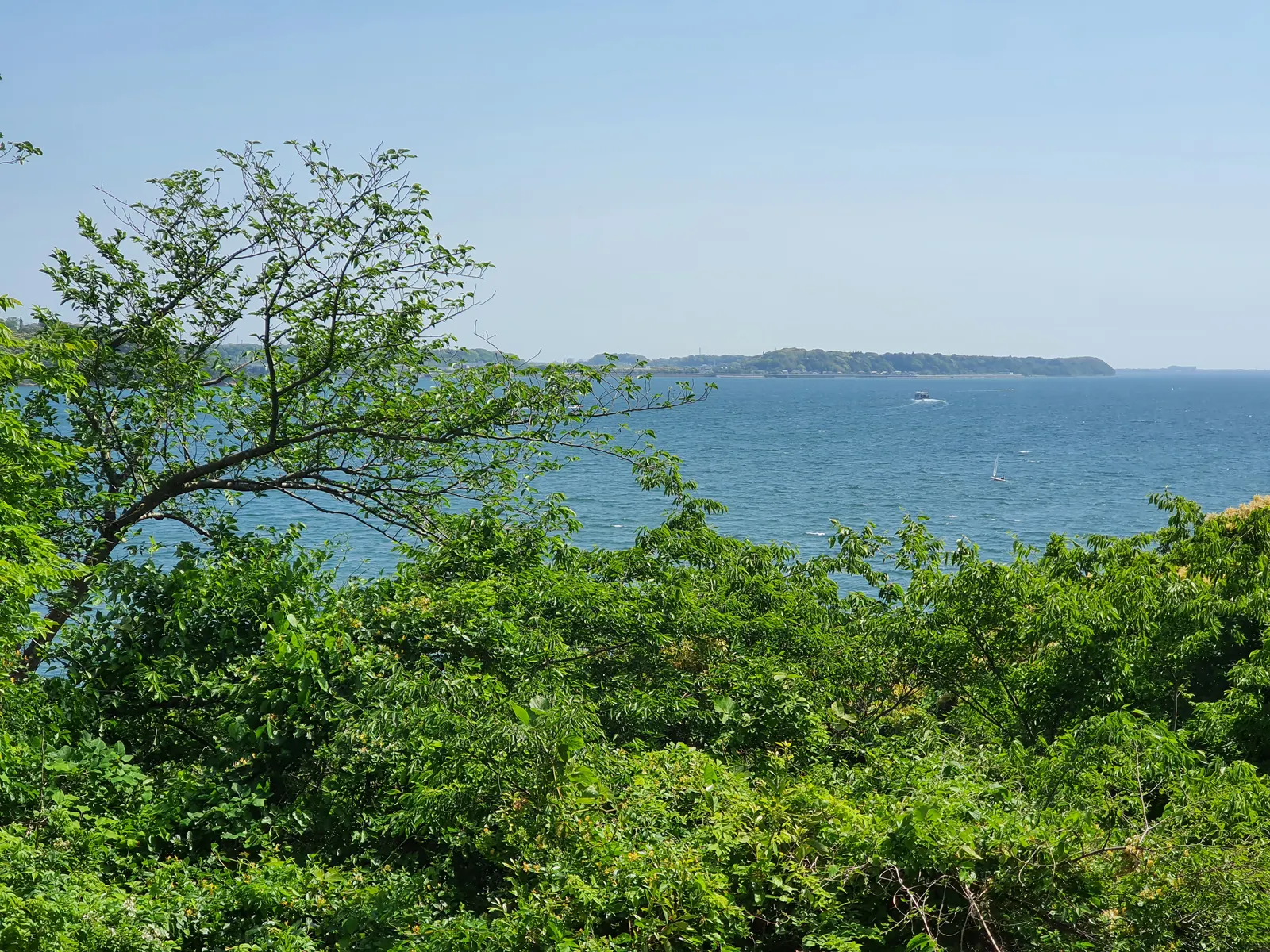
The trip lasted a full ten hours, plenty of time for my thoughts to drift aimlessly with the clouds and sky.
One of the most interesting points of the intercity bus system in Japan is its strict yet very reasonable regulation: exactly every four hours of travel, the bus is required to stop at rest areas.
This rule is completely different from the habit of long-distance buses in Vietnam in the past, which usually only stopped when passengers needed personal restrooms or only stopped to eat once during a long journey.
By the time we arrived, my bus had stopped a total of four times, ensuring safety for the driver while helping passengers stretch their legs and breathe in fresh air.
(By the way, as far as I know, by 2024, intercity buses in Vietnam have also undergone many innovations, allowing for rest stops at multiple stages to ensure health).
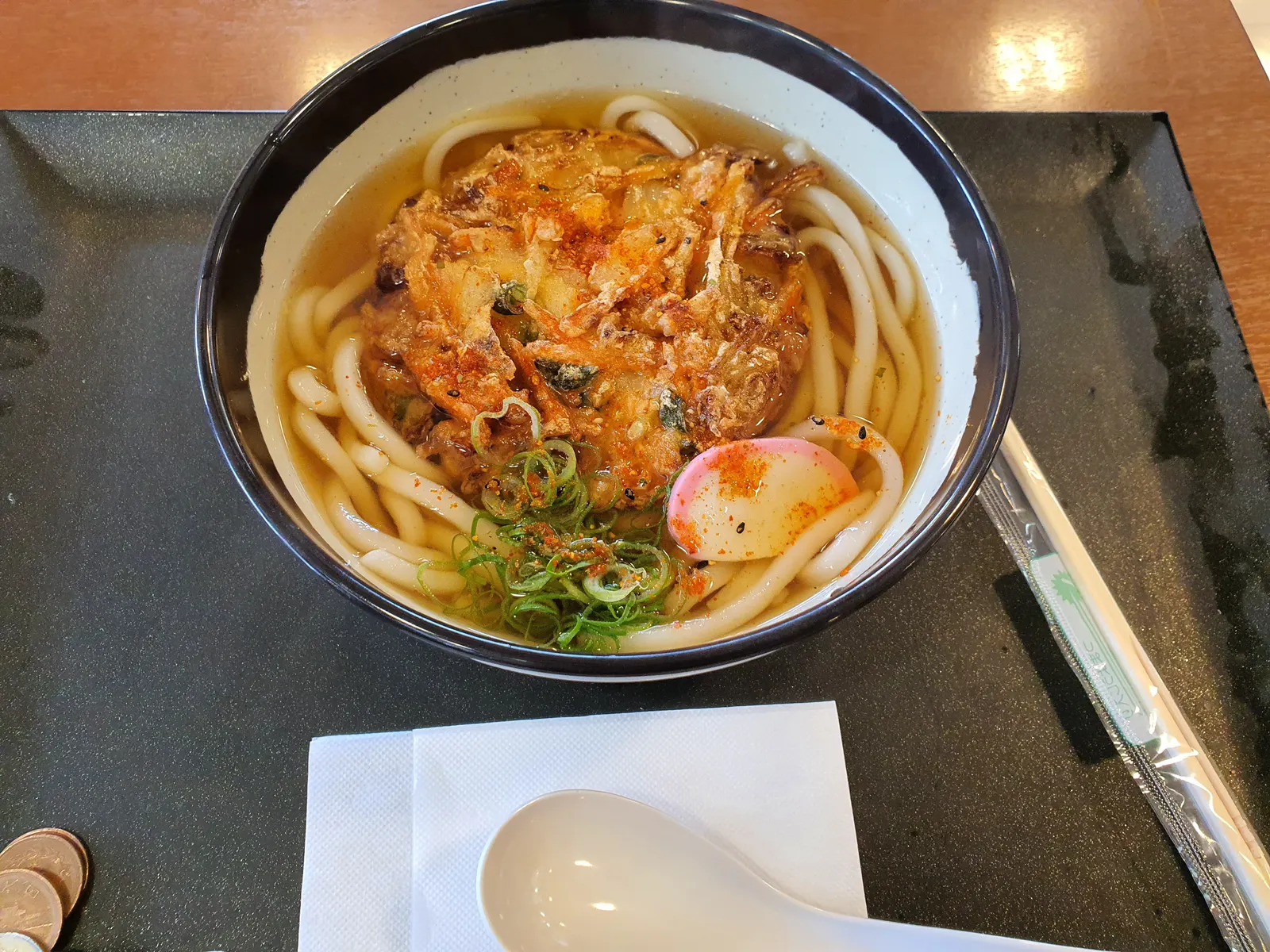
At one of those stops, I enjoyed a hot bowl of soba noodles; the refined flavor in the middle of a long journey was truly so heartwarming.
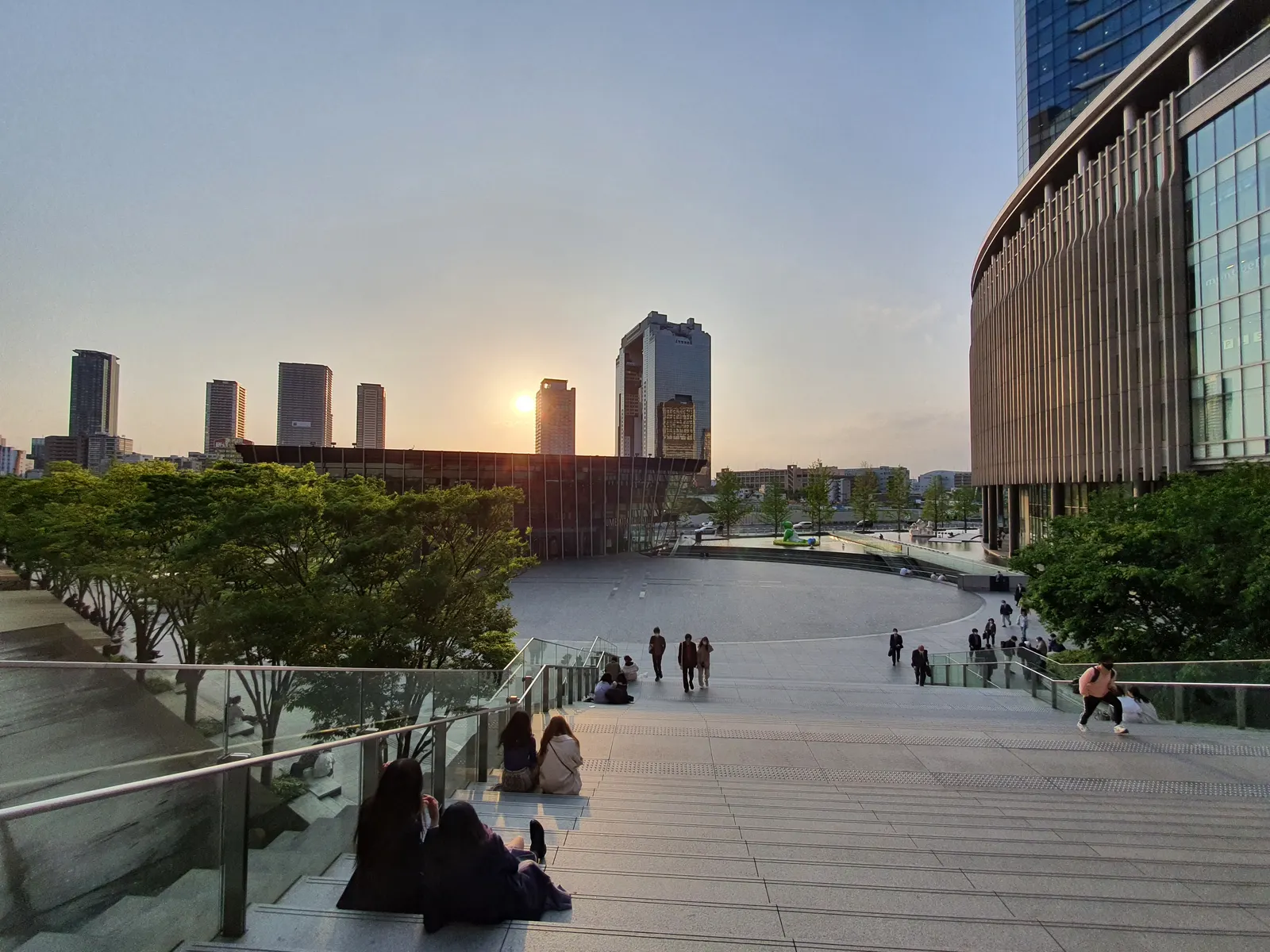
After ten grueling hours on the road, the bus finally brought me to my promised destination: the center of Osaka City. From the very moment I set foot on the streets, I felt an atmosphere completely different from the quiet, orderly nature of Tokyo.
The people of Osaka are famous for their open, enthusiastic personalities, and the pace of life here is manifold more bustling and lively. Standing at a central plaza corner right in front of Osaka Station, I watched the flow of people passing by with a surge of energy radiating from every corner.
Even knowing that all of Japan was still struggling through the social distancing period of the Covid-19 pandemic, the atmosphere in the eateries and restaurants of Osaka still retained a strangely bustling and crowded vibe.
The cheerful chatter and the sound of clinking dishes echoing around the eateries sometimes made me forget the reality that the epidemic was still present.
In complete contrast to a subdued Tokyo, where everything happens in silence and strict rule-following to the point of quietness, Osaka welcomed me with an unquenchable enthusiasm and burning flame of life.
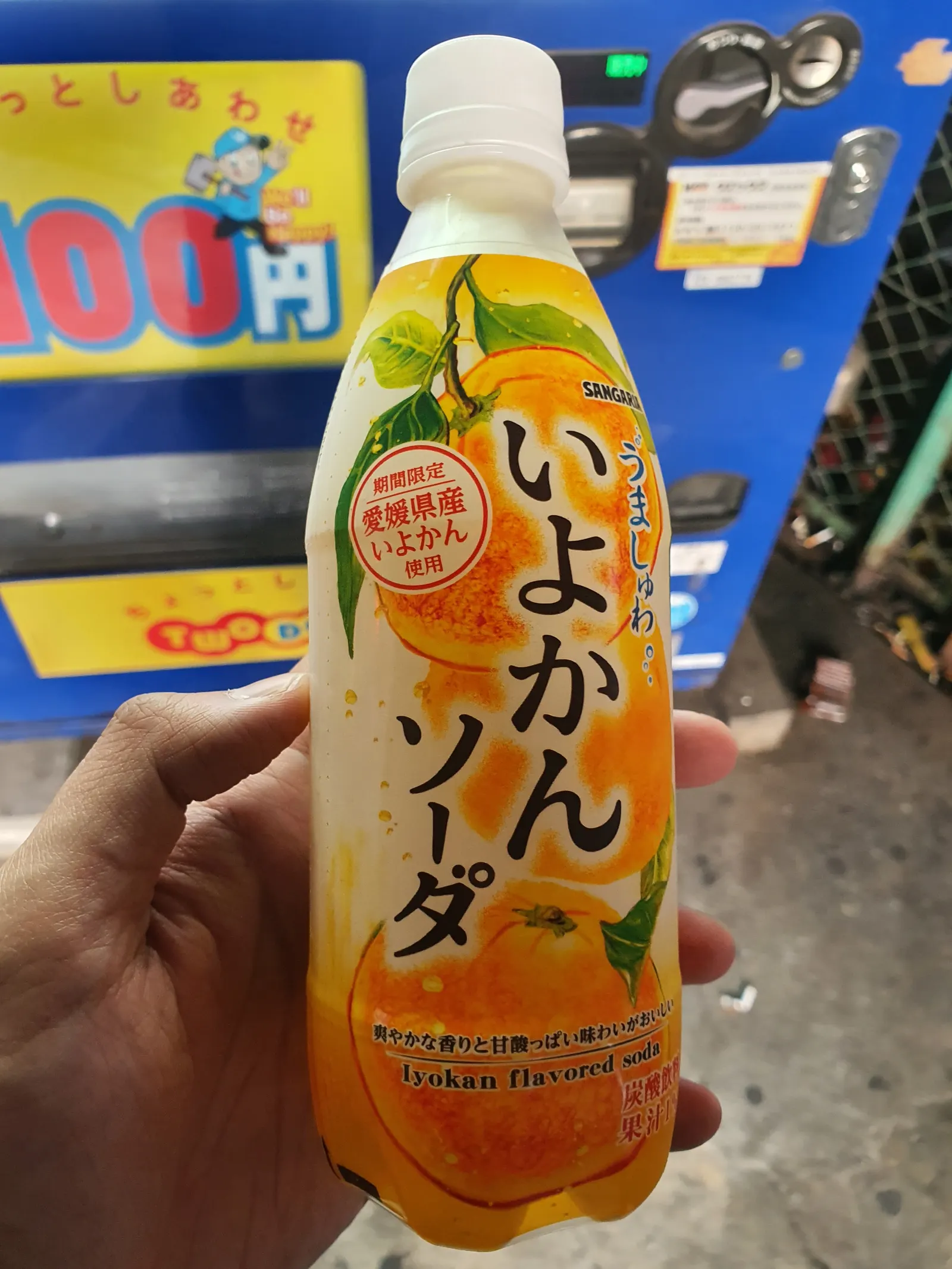
Not only that, Osaka also brought very simple surprises, such as vending machines with surprisingly cheap prices that I hadn’t seen anywhere else; some drinks I bought for just 60 yen had a remarkably rich and pleasant flavor.
After fumbling around trying to find my way through the strange yet familiar city, I finally found the small house of my former roommate—a very close friend.
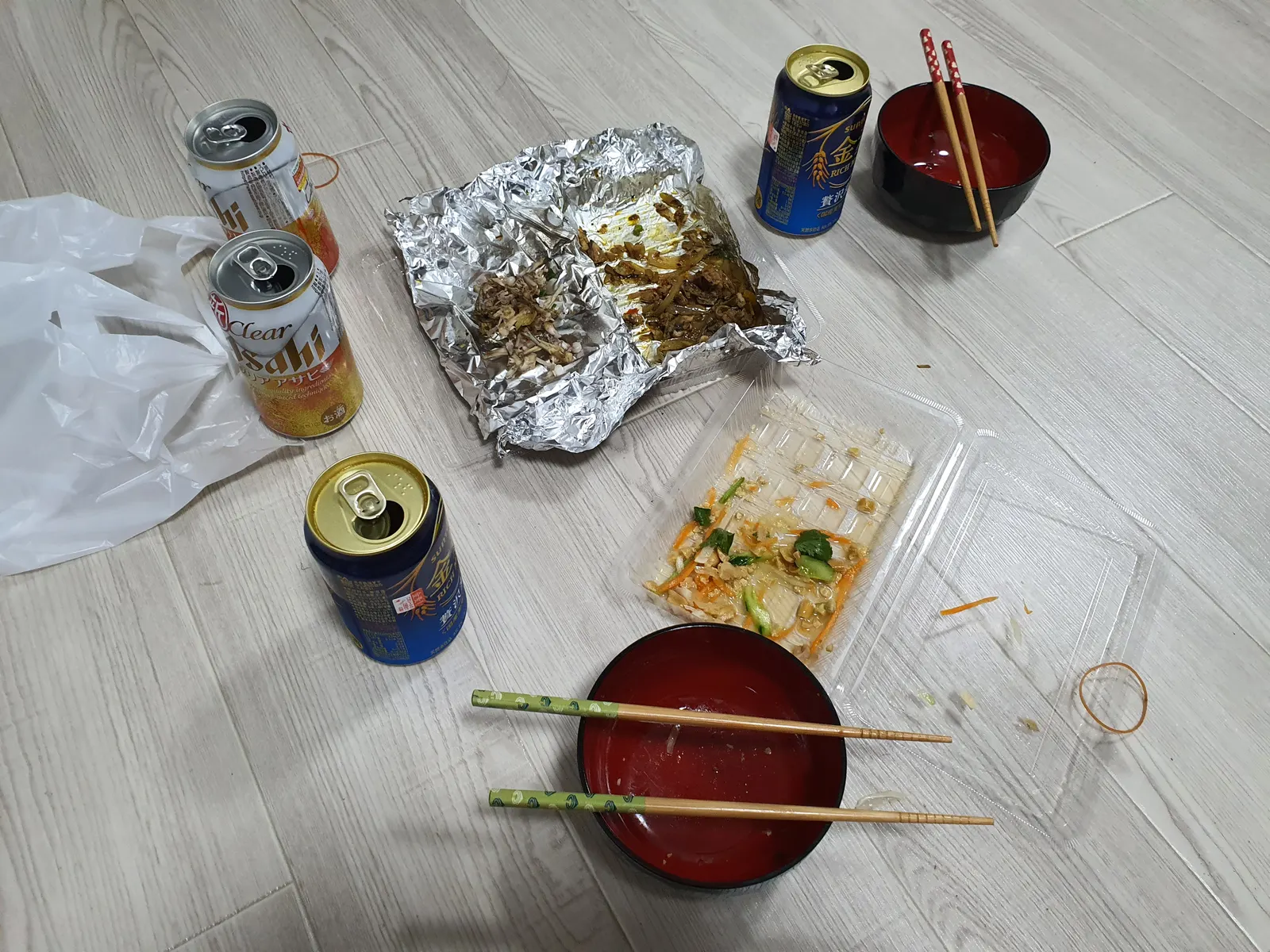
My first day setting foot in Osaka passed quickly; when night fell, it was time for the two of us to leisurely stroll down the late-night streets, drop by a convenience store to buy some snacks to sip on for the evening, and reminisce about old times.
My first day of exploring Osaka officially closed in that warm and peaceful moment, even though ten straight hours sitting on the bus had left my back aching all over.